

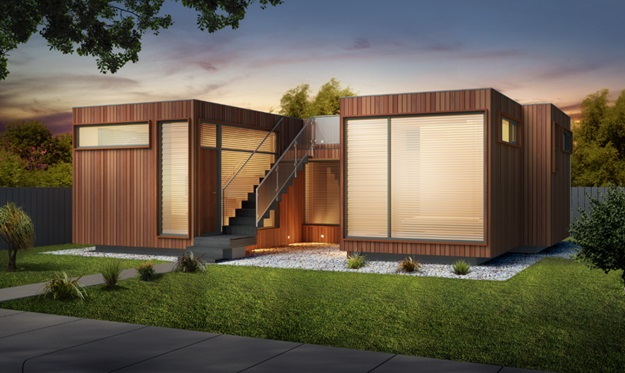
In the ever-changing world of real estate, homeowners are continuously exploring ways to maximise their property’s potential. Among the most versatile and rewarding investments available is the construction of a granny flat. These self-contained secondary dwellings, typically located on the same plot of land as a primary residence, offer a multitude of advantages ranging from financial gains to enhanced functionality for families.
This blog delves into why a flat is an intelligent addition to your property, examining the associated costs, regulatory considerations, and long-term benefits that make it a worthwhile endeavour.
The Rising Popularity of Granny Flats
Granny flats have gained significant traction in recent years, largely due to their versatility and the increasing need for additional housing options. Homeowners are recognising their value as a solution to accommodate extended family members, generate rental income, or create private workspaces.
In urban and suburban areas alike, flats represent an efficient way to make use of existing land without the complexities of subdividing or purchasing additional properties. Their popularity is further bolstered by shifting societal trends, including the rise of multi-generational living and the growing demand for affordable rental options.
Understanding the Costs of Building a Flat
While the prospect of building a flat is enticing, it’s essential to have a clear understanding of the costs involved. These costs can vary significantly depending on factors such as size, design, materials, and location.
The initial expenses include site preparation, architectural design, and construction. Additional costs may arise from utilities, such as plumbing and electrical connections, as well as landscaping to integrate the flat seamlessly into the existing property.
For those on a budget, prefabricated flats offer a cost-effective alternative, often reducing construction time and expenses. On the other hand, custom-designed options provide greater flexibility but may come at a higher price.
Despite the upfront investment, a well-constructed flat can quickly pay for itself through rental income or increased property value. Many homeowners find that the long-term financial benefits far outweigh the initial costs, making it a strategic investment.
Navigating Regulations and Approval Processes
Before embarking on a flat project, it’s crucial to understand the regulatory landscape. Each state and local council has its own set of rules governing the construction and use of flats. These regulations typically cover aspects such as size limitations, setbacks, and occupancy restrictions.
Engaging with a qualified builder or architect who is familiar with local regulations can simplify the approval process. They can guide you through obtaining permits, meeting zoning requirements, and ensuring that your flat complies with building codes.
In some cases, governments offer incentives to encourage the construction of flats, such as relaxed planning laws or financial grants. Staying informed about these opportunities can further enhance the feasibility of your project.
Long-Term Financial Benefits of a Granny Flat
One of the most compelling reasons to invest in a flat is the potential for long-term financial rewards. For homeowners seeking additional income, renting out the dwelling can provide a steady revenue stream. In high-demand rental markets, flats are particularly attractive to tenants seeking affordable housing options without compromising on privacy or convenience.
Beyond rental income, a flat can significantly increase your property’s overall value. Prospective buyers often view these secondary dwellings as valuable assets, whether for personal use or rental purposes. This added appeal can translate into a higher resale price, making the investment worthwhile even if you decide to sell in the future.
Enhancing Family Living Arrangements
The appeal of a flat extends beyond financial gains; it also offers practical solutions for modern family living. With multi-generational households becoming more common, flats provide a way to accommodate elderly parents, adult children, or other family members while maintaining independence and privacy.
For parents of young adults, a flat can serve as a transitional space, allowing them to live close to home while gaining a sense of autonomy. Similarly, it provides a comfortable environment for aging relatives, enabling them to remain near family without compromising on personal space or comfort.
Flexible and Functional Living Spaces
Another advantage of a granny flat is its adaptability. While traditionally used for housing, these dwellings can be tailored to meet a variety of needs. From home offices and creative studios to guest accommodations and short-term rentals, the possibilities are virtually limitless.
In today’s remote working era, having a dedicated space separate from the main house can boost productivity and work-life balance. Similarly, homeowners can transform their flat into a hobby room or wellness retreat, enhancing their lifestyle in unique and meaningful ways.
Sustainable Living with Granny Flats
Granny flats also align with the growing trend of sustainable living. By making efficient use of existing land and resources, they reduce the need for urban sprawl and the environmental impact of large-scale construction.
Many homeowners are incorporating eco-friendly features into their flats, such as solar panels, rainwater harvesting systems, and energy-efficient appliances. These sustainable additions not only minimise environmental impact but also reduce ongoing utility costs, adding to the long-term financial benefits.
Planning for the Future
When investing in a flat, it’s important to think ahead. By designing the dwelling with future needs in mind, you can ensure that it remains a valuable asset for years to come.
Considerations such as accessibility features, durable materials, and flexible layouts can enhance the longevity and functionality of the flat. Whether you plan to use it for family, rental purposes, or personal projects, forward-thinking design decisions can maximise its utility and appeal.
Conclusion
A granny flat is more than just an addition to your property; it’s a versatile and strategic investment that offers financial, practical, and lifestyle advantages. From generating rental income and increasing property value to accommodating family members and supporting sustainable living, the benefits are substantial and far-reaching.
By understanding the costs, navigating regulations, and planning for the future, you can ensure that your flat becomes a valuable and enduring asset. Whether you’re looking to enhance your property’s potential or adapt to changing family dynamics, a well-designed flat can turn your vision into reality while delivering tangible long-term outcomes.










Leave a Reply