
Over time, irrigation technology has progressed significantly, improving effectiveness, efficiency, and ease beneficial. Many owners still use old-fashioned systems that were designed for fundamental irrigating needs, while newer schemes are built to protect water, lower costs, and improve plant appropriateness.
Understanding the performance differences between old and new watering systems can help landowners choose if improving is the right choice.
Understanding Old Irrigation Systems
Older irrigation structures were designed over time when water efficiency was not a major consideration. These systems usually rely on traditional spray heads and elementary timers that follow established watering schedules.
Common Characteristics outdated Irrigation Systems
- Fixed timers with manual controls
- High-pressure spray heads
- Limited edging flexibility
- No weather or soil liquid sensing
Then you need to hire professionals for irrigation repair.
Understanding New Irrigation Systems
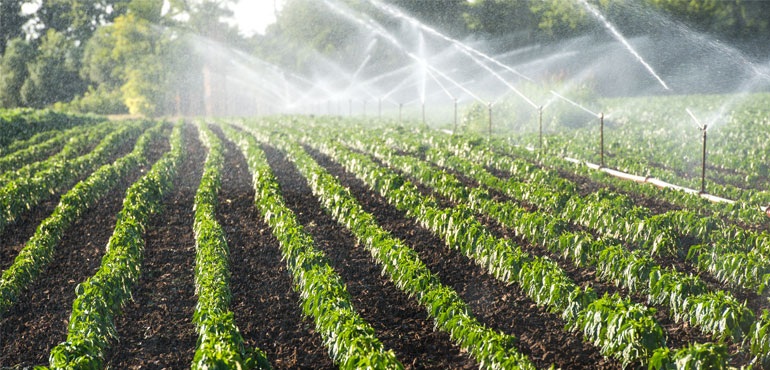
Modern irrigation systems use advanced technology to transfer water more precisely and capably. They are designed to adapt to environmental conditions and reduce unnecessary water usage.
Key Features of New Irrigation Systems
- Smart controllers accompanying weather-based adaptations
- High-efficiency sprinkler heads or drip watering
- Low-pressure water delivery
- Zoning established plant type and soil conditions
- Remote monitoring through travel apps
These features develop overall performance and eliminate manual intervention.
Water Efficiency Comparison
Water adeptness is one of ultimate noticeable differences between traditional and new irrigation orders.
1. Old Irrigation Systems
- Often overwater due to established schedules
- Cause runoff and overspray
- Waste water all along rain or cooler weather
- Increase water bills over time
2. New Irrigation Systems
- Adjust dampening based on weather dossier
- Deliver water directly to plant ancestors
- Reduce evaporation and drainage
- Significantly lower water consumption
New structures can reduce water consumption by a substantial amount while maintaining more healthful landscapes.
Coverage and Distribution Performance
Uniform water distribution is critical for plant health.
1. Performance of Outdated Systems
- Uneven spray patterns due to the use of nozzles
- Dry spots alongside flooded regions
- Poor pressure regulation
- Inconsistent inclusion over time
2. Performance of New Systems
- Even water disposal at optimal pressure
- Improved spout design for uniform coverage
- Drip watering for targeted dampening
- Stronger and healthier root arrangements
Better coverage results in a revised lawn appearance and plant vitality.
Control and Automation Capabilities
Control options considerably impact performance and are beneficial. You can also hire experts like Chuck’s Landscaping for more help.
1. Old System Controls
- Manual timers require frequent adaptations
- No automatic response to weather changes
- Higher risk of consumer error
2. New System Controls
- Automated schedules established real-time conditions
- Smart sensors for rain, wind, and soil dampness
- Remote access by way of smartphones
Natural Impact
Environmental trustworthiness is increasingly important.
1. Impact of Old Systems
- Excessive water waste
- Increased drainage and soil erosion
- Strain on local water money
2. Impact of New Systems
- Improved water conservation
- Reduced drainage and erosion
- Support for tenable landscaping
Modern irrigation schemes align better with accompanying environmental organizing and sustainability goals.
Conclusion
When comparing old vs new irrigation systems, depiction differences are clear. Older structures often seepage, require frequent maintenance, and lack automation. Modernized irrigation systems offer superior effectiveness, exact water transfer, better control, and general cost funds. So, contact a professional irrigation contractor for more expert advice.