
What Is Asbestos-Cement Siding?
Asbestos-cement siding is a material that combines asbestos fibers with cement to create durable, fire-resistant panels. This type of siding was widely used in the mid-20th century due to its affordability and resilience. Its ability to withstand harsh weather conditions made it a popular choice for homes and buildings, especially in areas prone to extreme climates. However, the inclusion of asbestos—a known health hazard—has led to significant concerns and regulatory actions over the years.
Common Types of Asbestos Siding
There are several forms of asbestos siding, each with unique characteristics:
- Shingle-style panels: These mimic the appearance of wood shingles and often feature grooves or patterns.
- Flat sheets: Smooth or textured panels used for a streamlined look.
- Corrugated panels: Designed for industrial or utility buildings, offering added strength.
Identifying these types can be challenging, especially since they often resemble non-asbestos materials like synthetic wood or vinyl. It’s worth noting that asbestos siding is harmless if left undisturbed, but any damage or wear can release hazardous fibers into the air.
Historical Use of Asbestos in Siding
The use of asbestos in siding dates back to the early 20th century when manufacturers sought materials that were fireproof, durable, and cost-effective. By the 1920s, asbestos-cement siding became a staple in residential and commercial construction. Brands like Johns-Manville and CertainTeed marketed these products heavily, touting their longevity and low maintenance. However, as awareness of asbestos-related health risks grew, its popularity waned. By the late 1970s, stricter regulations and public concerns led to a sharp decline in its use. Today, many older buildings still feature asbestos siding, requiring careful management or replacement during renovations or transitions, such as converting a property into a rehab facility.
Health Risks Associated with Asbestos Siding
Diseases Linked to Asbestos Exposure
Asbestos siding poses significant health risks, primarily due to the fibers it can release when disturbed. These fibers are microscopic and, once inhaled, can lodge in the lungs and remain there for years. Over time, this can lead to serious illnesses, including:
- Asbestosis: A chronic lung disease causing scarring of lung tissue, which makes breathing increasingly difficult.
- Mesothelioma: A rare but aggressive cancer that affects the lining of the lungs, abdomen, or heart.
- Lung Cancer: Prolonged asbestos exposure can significantly increase the risk of developing lung cancer, especially in individuals who smoke.
How Asbestos Fibers Affect the Lungs
When asbestos fibers are inhaled, they bypass the body’s natural defenses due to their small size. These fibers embed themselves deeply into lung tissue, causing inflammation and scarring. Over time, this damage can impair lung function and lead to life-threatening conditions. The latency period for these diseases can span decades, meaning symptoms may not appear until 20-30 years after exposure.
Why No Level of Asbestos Exposure Is Safe
Experts agree that there is no safe level of asbestos exposure. Even minimal contact can lead to severe health issues over time. This is why proper handling and precautions are critical when dealing with asbestos siding. For those who have experienced asbestos-related illnesses, the journey to recovery can be challenging. Facilities like Serenity at Summit provide support for individuals facing related health crises, including those complicated by addiction rehab needs.
Identifying Asbestos in Siding
Visual Characteristics of Asbestos Siding
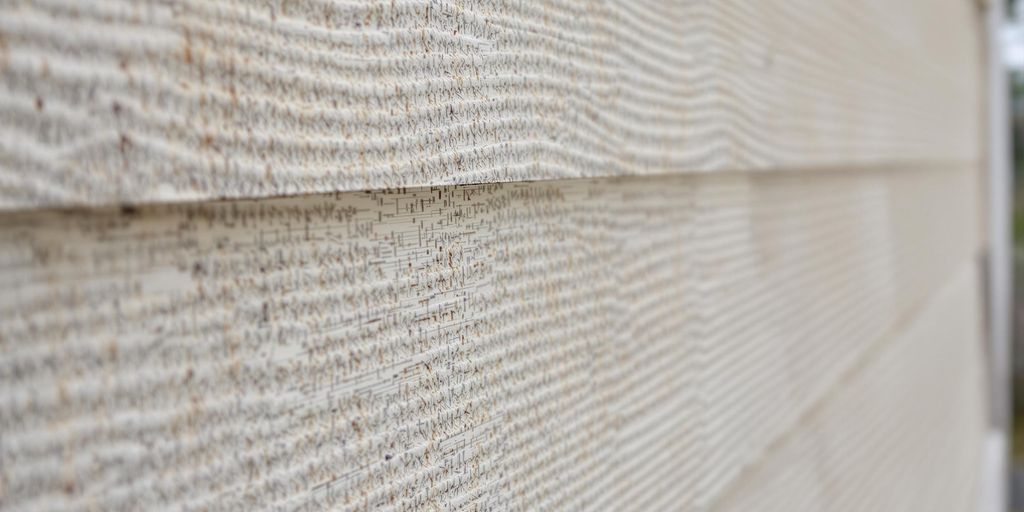
Asbestos siding often has distinct features that can help in identification. Commonly, it appears in a shingle form, typically measuring about 12×24 inches, and may have visible nail holes at the bottom of each shingle. The material often mimics wood grain or has a smooth surface with low vertical grooves. Older homes, especially those built between the 1920s and 1960s, are more likely to have asbestos siding. Additionally, broken pieces of asbestos siding tend to have sharp, flaky edges that distinguish them from other materials.
Using Laboratory Testing for Confirmation
While visual inspection can provide clues, laboratory testing is the only definitive way to confirm the presence of asbestos. To collect a sample safely, wear a mask and gloves, and scrape a small piece from a damaged or inconspicuous area of the siding. Place the sample in a sealed bag and send it to an accredited testing lab. This step is critical because asbestos fibers are hazardous when airborne, making professional testing a safer and more reliable option.
Common Misidentifications with Other Materials
It’s easy to confuse asbestos siding with other materials like modern fiber-cement siding or vinyl. For example, fiber-cement siding, which is asbestos-free, often resembles asbestos siding but is made from safer materials. Similarly, vinyl siding is smoother and more flexible but can sometimes mimic the look of older asbestos shingles. Careful comparison of textures, edges, and installation methods can help distinguish these materials. When in doubt, professional evaluation is always recommended.
Safe Handling of Asbestos Siding
Precautions to Take When Inspecting Siding
Inspecting asbestos siding requires careful attention to safety. The key is to avoid disturbing the material, as this can release harmful fibers into the air. Always wear protective gear like a mask rated for asbestos and gloves. Avoid using tools that could crack or break the siding, as even minor damage can lead to fiber release. If you’re unsure about the material’s condition, consult a professional before proceeding.
Why Disturbing Asbestos Is Dangerous
When asbestos-containing materials are disturbed, tiny fibers can become airborne. These fibers are invisible to the naked eye and can remain in the air for extended periods. Breathing them in poses significant health risks, including lung diseases and cancers. For this reason, it’s critical to handle asbestos siding with extreme care. Even simple actions like drilling or sanding can release these fibers, making it essential to minimize any physical interaction with the material.
Protective Gear for Handling Asbestos
If you must handle asbestos siding, wearing the right protective gear is non-negotiable. At a minimum, you’ll need:
- A respirator mask specifically designed for asbestos particles.
- Disposable coveralls to prevent fibers from clinging to your clothing.
- Safety goggles to protect your eyes from dust and debris.
- Heavy-duty gloves to shield your hands.
Dispose of all protective gear in accordance with local regulations after use to prevent contamination. For detailed guidance on safe handling and disposal, refer to this resource.
Removing Asbestos Siding Safely
When to Consider Professional Removal
Removing asbestos siding is a delicate process that requires careful planning and execution. Hiring a certified asbestos abatement company is strongly recommended, especially during major renovations like building an addition. Professionals not only have the proper training but also the necessary equipment to handle asbestos safely. Homeowners can check with their state’s Department of Environmental Quality to find licensed contractors. Attempting to remove asbestos siding without professional help increases the risk of exposure to harmful fibers.
Steps for Safe Asbestos Removal
If you decide to undertake the removal process yourself, strict precautions must be followed to minimize risks. Here’s a step-by-step guide:
- Obtain any required permits from local authorities before starting the project.
- Wear appropriate protective gear, including a respirator, disposable coveralls, gloves, and safety goggles.
- Wet the siding thoroughly with water to prevent asbestos fibers from becoming airborne.
- Carefully remove the siding in whole pieces to reduce breakage and dust.
- Place the removed siding immediately into sealed, labeled asbestos disposal bags.
- Transport the waste to a designated disposal facility that accepts asbestos materials.
It’s important to note that some states may have additional regulations or guidelines for asbestos removal and disposal. Always check local laws before proceeding.
Legal Guidelines for Asbestos Disposal
Disposing of asbestos siding improperly can lead to serious legal and environmental consequences. Asbestos waste must be handled in compliance with federal, state, and local regulations. Homeowners should:
- Use only approved disposal bags for asbestos materials.
- Clearly label the bags as containing asbestos to alert waste handlers.
- Deliver the waste to a licensed landfill or disposal site equipped to manage hazardous materials.
In some cases, hiring a professional removal service may be the simplest way to ensure compliance with all legal requirements. For example, removing asbestos siding during renovations is often best left to experts to guarantee safety and adherence to the law. Additionally, if removal isn’t feasible, consider containing the siding with barriers to minimize exposure.
Alternatives to Asbestos Siding
Modern Fiber-Cement Siding Options
Modern fiber-cement siding is a popular alternative to asbestos siding. It’s durable, resistant to fire, and mimics the appearance of wood without the associated risks. Fiber-cement siding has become a reliable choice for homeowners looking to replace outdated materials safely. Unlike asbestos siding, it doesn’t pose health hazards, making it a safer and more practical option.
Benefits of Vinyl Siding as a Replacement
Vinyl siding is another common choice when replacing asbestos siding. It’s lightweight, easy to install, and comes in a variety of colors and styles. Vinyl siding is also cost-effective and requires minimal maintenance, making it an attractive option for those on a budget. Additionally, its thin profile allows it to cover asbestos siding without pushing out trims or other architectural details.
Choosing the Right Replacement Material
When selecting a replacement for asbestos siding, it’s essential to consider factors like durability, aesthetics, and cost. Fiber-cement and vinyl siding are excellent choices, but other materials, such as natural wood or stucco, may be suitable depending on the home’s style. Consulting with a professional can help homeowners make an informed decision, ensuring the new siding meets their needs and complies with local regulations. For those who have undergone rehab or are in the process of making life changes, choosing eco-friendly materials can evoke wellness and promote a healthier living environment.
Maintaining Asbestos Siding
Why Avoid Pressure Washing Asbestos Siding
Pressure washing may seem like an easy way to clean siding, but it can cause significant damage to asbestos-cement siding. The high-pressure water stream can crack or chip the brittle material, potentially releasing dangerous asbestos fibers into the air. Instead, opt for gentle cleaning methods like hand washing with a soft brush and mild detergent. This approach helps maintain the siding’s integrity while minimizing health risks.
Repairing Damaged Asbestos Siding
If your asbestos siding is chipped or cracked, repairs should be handled with care. Begin by inspecting the damage thoroughly to determine if a patch or replacement is necessary. Use a pre-mixed cement patch or compatible fiber-cement replacement shingles to seal cracks or replace damaged sections. Always wear protective gear, including gloves and a respirator, when working with asbestos materials. For extensive damage, hiring a professional with asbestos-handling certification is strongly recommended.
When to Leave Asbestos Siding Undisturbed
In many cases, the best course of action is to leave asbestos siding alone. As long as the material is intact and not showing signs of wear, it poses minimal health risks. Regular inspections are key to ensuring the siding remains in good condition. Engaging a licensed asbestos inspector can help identify any issues early, reducing the likelihood of accidental exposure. Keep in mind that disturbing asbestos, even unintentionally, can create more hazards than leaving it undisturbed.
Historical Context of Asbestos Siding
Development of Asbestos-Cement Materials
The journey of asbestos cement began in the late 19th century when its fire-resistant and durable properties caught the construction industry’s attention. By 1905, the Johns-Manville company had pioneered the development of asbestos cement, setting the stage for its widespread use in building materials. In 1893, a European chemist patented asbestos cement roofing shingles under the name “Eternit,” which became synonymous with durability and longevity. This innovation marked the beginning of asbestos cement’s dominance in construction.
Popular Brands and Their Features
Several brands emerged as leaders in asbestos siding production. Flintkote, for example, gained popularity in the 1930s for its “permanently fireproof” siding that promised minimal maintenance. Similarly, Johns-Manville’s “Asbestoside” became a household name by 1910, offering homeowners a reliable and cost-effective siding solution. These products were marketed heavily, emphasizing their ability to withstand harsh weather and eliminate the need for frequent painting.
Decline in Use and Regulatory Changes
The decline of asbestos siding began in the 1970s as health risks associated with asbestos exposure became undeniable. By this time, studies had linked asbestos fibers to severe diseases, prompting governments to impose strict regulations. The Environmental Protection Agency (EPA) and other organizations introduced guidelines to phase out asbestos-containing products. This shift not only impacted the construction sector but also influenced industries like addiction rehab, where safe environments are crucial for recovery. Modern alternatives, such as fiber-cement and vinyl siding, have since replaced asbestos siding, reflecting a broader move toward safer building practices.
Testing for Asbestos in Siding
How to Collect a Sample Safely
Testing for asbestos in siding requires careful handling to avoid releasing harmful fibers into the air. Always wear protective gear, such as a mask and gloves, before attempting to collect a sample. Follow these steps for safe collection:
- Identify a damaged or inconspicuous area of the siding where a sample can be taken.
- Lightly wet the area to minimize the chance of fibers becoming airborne.
- Use a clean tool, like a scraper, to carefully remove a small piece of the siding material.
- Place the sample in a sealed, airtight bag or container.
- Label the container with the location and date of collection for reference.
Remember, if you are unsure about handling asbestos materials, it’s best to consult a professional.
Finding Accredited Testing Laboratories
Once you’ve collected a sample, the next step is to send it to a certified lab for analysis. Look for laboratories that specialize in asbestos testing and are accredited by organizations like the National Voluntary Laboratory Accreditation Program (NVLAP). Some asbestos test kits, such as the PRO-LAB Asbestos Test Kit, include prepaid shipping and laboratory fees, making the process more convenient.
Interpreting Test Results for Asbestos
When the lab returns the test results, they will indicate whether asbestos is present and, if so, the type and concentration. If asbestos is confirmed, you’ll need to decide on the next steps, which could include covering, removing, or leaving the siding undisturbed. For those considering DIY testing, kits like the Asbestos PLM Analysis Kit are a reliable option for identifying hazardous materials in siding, floors, or other areas of the home.
Covering Asbestos Siding
Best Materials for Covering Asbestos Siding
Covering asbestos siding is a practical and safer alternative to removal, as it encapsulates the asbestos without disturbing it. Thin materials like vinyl siding are often recommended because they fit snugly over the existing siding without protruding beyond the trim or other architectural details. Another option is modern fiber-cement siding, which is durable and provides a clean appearance. Choosing the right material ensures long-lasting protection and aesthetic appeal.
Advantages of Covering vs. Removing
- Safety: Covering eliminates the risk of releasing harmful asbestos fibers into the air, which can happen during removal.
- Cost-effective: Removal requires specialized labor and disposal, making it significantly more expensive than covering.
- Time-saving: Installing new siding over asbestos is quicker than the lengthy process of abatement.
Ensuring Long-Term Safety with Covering
To maintain safety, it’s crucial to ensure the asbestos siding underneath remains undisturbed. Homeowners should avoid drilling or cutting into the siding after it has been covered. Additionally, consider using a commercial-grade coating like Home Shield Coating® for added durability and encapsulation. Regular inspections can help identify any potential issues, ensuring the integrity of both the new siding and the asbestos material beneath.
Environmental and Legal Considerations
Impact of Asbestos on the Environment
Asbestos poses a significant environmental challenge due to its persistence and hazardous nature. When asbestos-containing materials, like siding, degrade over time or are improperly handled, they release microscopic fibers into the air. These fibers can contaminate soil and water, posing risks to ecosystems and wildlife. Proper disposal is critical to prevent environmental contamination. For example, asbestos waste should be sealed in approved containers and transported to designated facilities to avoid exposure during transit.
Legal Responsibilities of Homeowners
Homeowners have clear legal obligations when it comes to asbestos siding. In many regions, laws require homeowners to disclose the presence of asbestos to potential buyers. Additionally, any renovation or demolition involving asbestos must comply with strict safety regulations. Failing to adhere to these laws can lead to hefty fines or legal action. It is advisable to consult local regulations or hire certified professionals for asbestos-related work to ensure compliance.
State and Federal Regulations on Asbestos
In the United States, both state and federal laws govern the handling and disposal of asbestos. Agencies like the EPA and OSHA have established guidelines to minimize public exposure. For instance, the April 2019 Final Rule by the EPA tightened restrictions on asbestos use, banning certain products to protect public health. Homeowners and contractors must also adhere to state-specific rules, which may include obtaining permits for asbestos removal and notifying authorities before beginning work. For a detailed overview of asbestos regulations, refer to this comprehensive listing of laws established by federal agencies.
The Future of Siding Materials
Innovations in Asbestos-Free Siding
The siding industry is moving toward safer, eco-friendly materials to replace outdated options like asbestos. Manufacturers are focusing on creating durable, lightweight, and sustainable siding products. For instance, modern fiber-cement siding has emerged as a popular alternative due to its strength, resistance to weather, and resemblance to traditional materials. Advances in polymer technology have also enabled the production of siding that mimics the look of wood or stone without the associated maintenance challenges.
Trends in Sustainable Building Materials
Sustainability is a driving force in the development of new siding options. Homeowners and builders alike are seeking materials that reduce environmental impact. Recycled materials, such as reclaimed wood composites, are gaining traction. Additionally, treatments are being developed to make natural materials like wood more resistant to pests and decay, extending their lifespan. These innovations not only benefit the environment but also offer cost savings over time.
How Technology Is Shaping Siding Options
Technology is reshaping the siding industry in remarkable ways. Smart siding systems, for example, are being developed to integrate insulation and moisture control into a single product. Automated manufacturing processes are also improving the precision and quality of siding materials, ensuring consistent performance. Furthermore, advanced coatings and finishes are being introduced, offering superior resistance to fading, cracking, and other forms of wear. These advancements point to a future where siding materials are not only safer but also smarter and more efficient.
More Links
Robert King Mesothelioma Law Services