

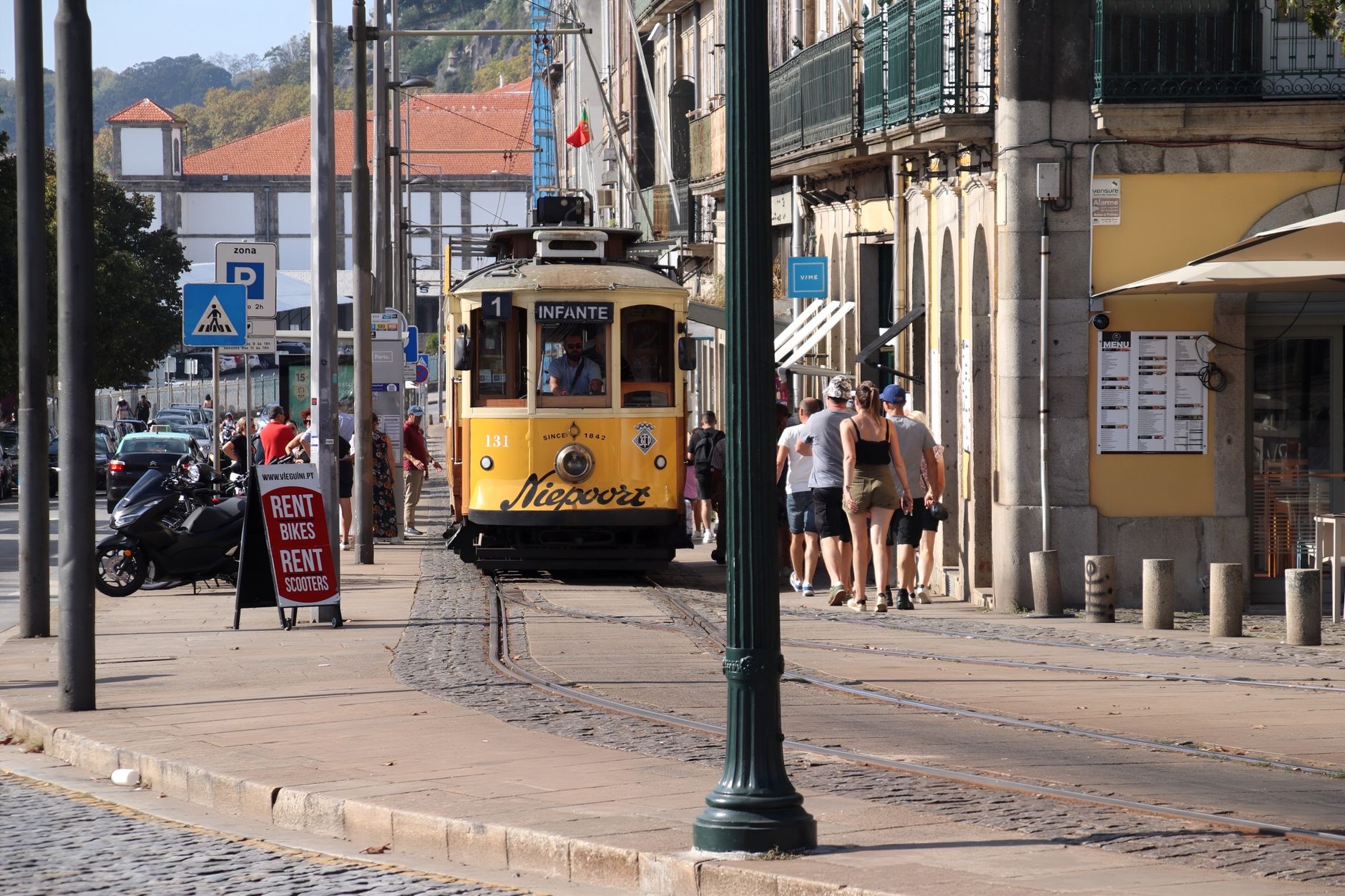
Porto rents fall for the first time in five years, signaling a shift in the real estate landscape as house prices soar to record highs.
Understanding the Rental Market Shift
The rental market in Porto is experiencing a significant shift as rents fall for the first time in five years. This change comes amid rising house prices, which have reached record highs, prompting many to reassess their housing options.
Several factors contribute to the decline in rental prices:
- Increased Supply: A surge in new housing developments has led to more available rental units, putting downward pressure on prices.
- Economic Factors: Inflation and economic uncertainty may have caused potential renters to hold off on securing leases, leading to a temporary oversupply.
- Shift in Demand: Some renters may be opting to purchase homes instead, spurred by historically low interest rates.
As Porto rents fall, many are left wondering if this is the worst time to rent or if it presents an opportunity to find better deals in a fluctuating market.
Factors Behind Falling Rents
The recent decline in rental prices in Porto can be attributed to several key factors. First, an increase in the supply of rental properties has created more options for tenants, leading to enhanced competition among landlords.
Additionally, the rise in house prices has made purchasing property less accessible for many, pushing potential buyers into the rental market. This influx can temporarily distort demand, particularly when combined with the recent economic uncertainties that have made some renters hesitant to commit long-term.
Moreover, changing demographics and remote work trends are influencing where people choose to live. More individuals are relocating to suburban areas, reducing demand in urban centers like Porto.
Finally, the impact of tourism has fluctuated, with fewer international visitors affecting short-term rental markets, which in turn influences longer-term rental rates. Overall, these elements contribute to the current landscape where Porto rents fall, prompting renters to reconsider their options.
Impact of Rising House Prices
The recent trend of falling rents in Porto has raised questions about the broader implications of rising house prices in the city. As property values soar, many potential renters find themselves in a challenging position.
These rising house prices have led to significant shifts within the rental market, creating a disparity between what landlords expect to charge and what renters can realistically afford. This situation has resulted in:
- Increased competition among renters for available properties, despite the overall decline in rental prices.
- Pressure on landlords to adapt their pricing strategies as tenants become more selective.
- Concerns about affordability for long-term residents and newcomers to the city.
As a result of these dynamics, the reality of falling rents in Porto may not signify a better rental market for all, especially in the context of escalating property prices.
Comparing Porto to Other Cities
As Porto rents fall, it is essential to compare the rental market dynamics in the city with those of other major urban centers in Portugal and beyond. While Porto has witnessed a decline in rental prices, cities like Lisbon continue to experience significant growth in their rental sectors.
Several factors contribute to the disparity:
- Tourism Influence: Lisbon’s booming tourism sector has driven demand, keeping rents high.
- Population Trends: Porto has seen a slight decline in population growth compared to Lisbon, affecting rental demand.
- Local Economy: The economic recovery in Porto has not matched that of Lisbon, influencing rental prices.
In other European cities, such as Barcelona and Berlin, a similar trend of rising rents is observed, contrasting with the current situation in Porto. This comparison highlights the uniqueness of the rental market in Porto amidst fluctuating economic conditions.
Future Predictions for Porto Rentals
As the rental landscape in Porto experiences a notable shift, experts are making predictions about the future of rents in the city. With the recent trend indicating that Porto rents fall for the first time in five years, many wonder whether this is a temporary dip or a sign of a more prolonged decline.
Market analysts suggest that the convergence of high house prices and increasing availability of rental properties may lead to a stabilization of rents in the near future. Additionally, the overall economic climate, including inflation and interest rates, will play a crucial role in shaping rental trends.
- Increased supply of rental units could lead to more competitive pricing.
- Potential shifts towards long-term leases may impact short-term rental markets.
- Local government policies might influence rent control measures.
Ultimately, the future of rentals in Porto will depend on how these factors interact over time.
Advice for Renters in Porto
For those considering a move to Porto, the recent trend of falling rents may present a unique opportunity. As Porto rents fall for the first time in five years, it is essential to approach the rental market with some strategic planning.
Here are some tips for renters navigating this evolving landscape:
- Research the Market: Stay informed about current rent prices in various neighborhoods to identify the best deals.
- Consider Lease Length: Short-term leases may offer flexibility, but longer leases can lock in lower rates amid rising demand.
- Negotiate: Don’t hesitate to negotiate rental terms; landlords may be more willing to compromise in this changing market.
- Inspect the Property: Ensure that the property meets your needs and is in good condition before signing any agreements.
- Explore Various Areas: Expanding your search to less popular neighborhoods may yield better rental prices.
Ultimately, while Porto rents fall, it’s crucial to remain vigilant and informed to make the best decision for your housing situation.
Government Policies Affecting Real Estate
The recent decline in Porto rents has been influenced significantly by various government policies aimed at stabilizing the housing market. These measures are designed to make renting more accessible and affordable for residents, in light of the soaring house prices that have reached record highs.
One of the key initiatives has been the introduction of rent control measures, which aim to limit annual increases and protect tenants from sudden price hikes. Additionally, the government has implemented incentives for landlords to maintain affordable rental prices, particularly in areas that have seen rapid gentrification.
These policies are crucial in addressing the concerns of both renters and local communities, especially as Porto rents fall for the first time in five years. Moreover, they help to ensure that the city’s rental market remains sustainable in the long run, providing a balanced approach to housing amidst the challenges posed by rising house prices.
As Porto rents fall, many potential tenants are left wondering if this is truly the worst time to rent in the city. While the decrease in prices might seem beneficial, the overall housing market trends suggest that Porto rents fall could be a temporary phenomenon.
Photo by Lorena Martínez on Pexels
Read the original
Related reading
Treebo hotel Nagpur: The Best New Stay with Proven Comfort · Aakash INVICTUS launch: The Best Proven Education Service · Baku property prices: Are they worth the investment now?








Leave a Reply