

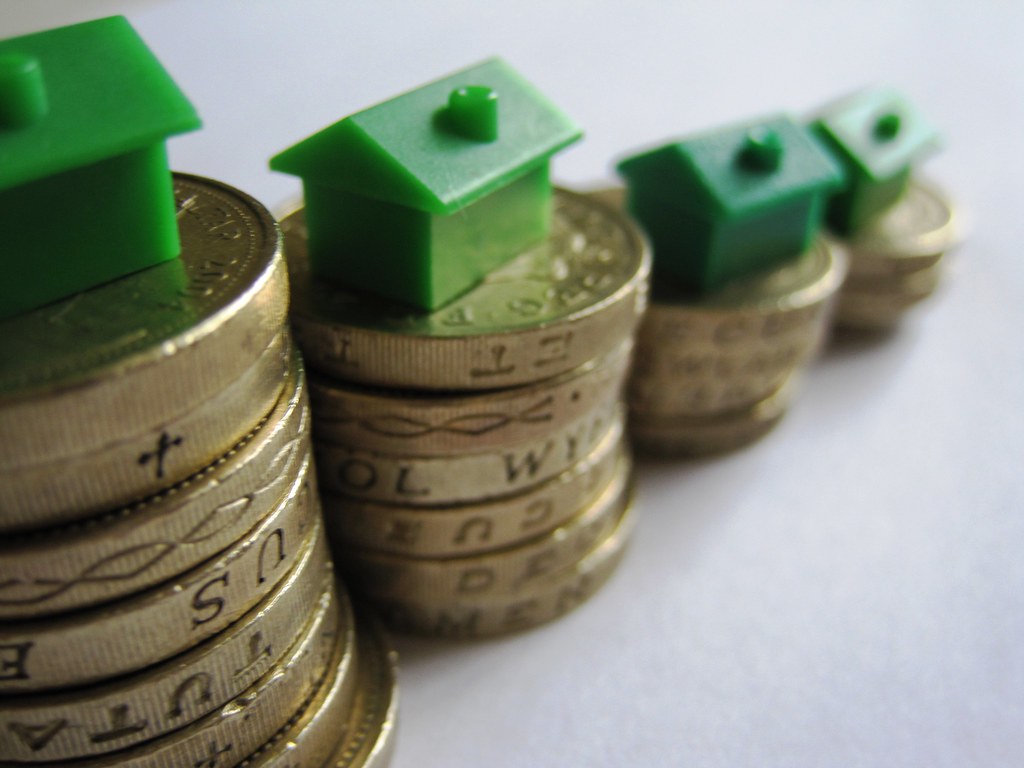
house price growth has halved amid a subdued property market, raising concerns for buyers and sellers alike. This shift in the real estate landscape could impact future investments and housing decisions.
Current Trends in the Property Market
Current trends in the property market indicate a significant slowdown in house price growth. Recent reports reveal that the rate of increase in house prices has halved, raising concerns among homeowners and potential buyers. Factors contributing to this trend include rising interest rates, increased cost of living, and economic uncertainty, all of which are affecting consumer confidence.
Experts have noted that the subdued property market is not just a temporary blip but may signal a more extended period of adjustment. Buyers are becoming more cautious, and many are choosing to wait for clearer signs of stability before making significant financial commitments.
Some key aspects of the current market include:
- Decreased buyer activity: Many potential purchasers are holding off due to fears of declining prices.
- Increased inventory: A rise in available homes is creating more options but also putting downward pressure on prices.
- Changing mortgage rates: Higher borrowing costs are making it more challenging for buyers to enter the market.
Factors Influencing House Prices
Several key factors are influencing the recent trends in house price growth, contributing to the current subdued property market. Understanding these elements is crucial for potential buyers and investors alike.
- Economic Conditions: The overall state of the economy plays a significant role in determining house prices. Economic downturns often lead to reduced demand and subsequently lower price growth.
- Interest Rates: Fluctuations in interest rates can greatly impact mortgage affordability. Higher rates typically discourage buyers, leading to a slowdown in house price growth.
- Supply and Demand: An imbalance between housing supply and demand can affect prices. In areas where housing supply is limited, prices may remain high despite economic challenges.
- Government Policies: Policy changes, including tax incentives or restrictions on foreign investment, can also influence the housing market dynamics.
- Consumer Confidence: The general sentiment of consumers towards buying homes can either stimulate or dampen house price growth, affecting market activity.
These factors collectively shape the landscape of the property market, making it essential to stay informed about their developments.
Impact of Economic Conditions on Real Estate
The real estate market is heavily influenced by prevailing economic conditions, which have shown significant fluctuations in recent years. With the recent reports indicating that house price growth has halved, many experts are assessing the broader economic landscape to understand this trend.
Several key factors contribute to the current state of the property market:
- Inflation: Rising inflation rates have eroded purchasing power, making it more challenging for potential buyers to afford homes.
- Interest Rates: Increased interest rates have led to higher mortgage costs, discouraging buyers and dampening demand.
- Employment Rates: Economic uncertainty has affected job security, causing many to delay home purchases.
- Consumer Confidence: A lack of confidence in the economy can lead to reduced spending on major investments like real estate.
As these economic conditions persist, they continue to put pressure on the housing market, leading to a slowdown in house price growth and raising concerns about the sustainability of property investments in the near future.
What Does Halved Growth Mean for Buyers?
The recent halving of house price growth has significant implications for potential buyers in the current property market. With prices stabilizing, many are left wondering what this means for their purchasing power and investment opportunities.
Firstly, buyers may find more affordable options as the surge in prices slows down. This could allow first-time buyers to enter the market without the pressure of escalating costs that characterized previous years. A more balanced market might also provide buyers with the chance to negotiate better deals.
However, the reduced growth also reflects a subdued economy, which could lead to uncertainty in job security and income stability. Buyers should be cautious and consider their long-term financial commitments.
Additionally, potential buyers should keep an eye on interest rates. With house price growth halving, mortgage rates may remain favorable in the near future. This could be a strategic time for buyers to make a move before any shifts impact the market further.
In conclusion, while halved house price growth presents opportunities, it also calls for careful consideration of various market factors.
Future Predictions for House Price Growth
As the property market grapples with the effects of economic fluctuations, future predictions for house price growth remain uncertain. Analysts are divided on whether the current slowdown is a temporary phase or a sign of a more prolonged trend.
Several factors could influence the trajectory of house prices in the coming years:
- Interest Rates: With central banks potentially adjusting rates, borrowing costs may rise, impacting buyer demand.
- Economic Recovery: A stronger economy could boost consumer confidence, leading to increased investment in real estate.
- Supply Chain Issues: Ongoing disruptions could delay new housing projects, limiting available inventory and possibly driving prices up.
- Government Policies: Changes in housing regulations or incentives could either stimulate or suppress market activity.
Given these variables, some experts suggest that while house price growth may stabilize, it is unlikely to return to the rapid increases seen in previous years. Buyers and investors will need to stay informed and adaptable to navigate this evolving landscape.
By Images_of_Money via Openverse









Leave a Reply