
Most homeowners don’t think about their walls or ceilings until something starts to look off. It might begin as a small crack in the corner of a room or an uneven patch or a spot that sounds hollow when you tap it. At first sight it doesn’t look like much. However, even little symptoms may eventually indicate blown plaster, a much more serious problem.
Even if it looks like just another cosmetic issue, blown plaster often means the plaster has broken away from the wall, or even the ceiling, underneath. If it is not dealt with, it may keep on spreading and then repairs become more involved, more costly, too.
The good news is that you may preserve the condition of your property while saving time and money by identifying the issue early and scheduling blown plaster repair.
What Is Blown Plaster?
When plaster separates from the surface underneath it, it is known as blown plaster. It starts to split rather than stay securely bonded, leaving gaps between the plaster & the wall or ceiling.
Although this can occur in both modern and older homes, older homes are typically more vulnerable to the issue due to the natural deterioration of materials over time.
Unlike a simple hairline crack, blown plaster usually affects the stability of the surface itself. As the separation grows, the plaster can become loose, crack further or even fall away completely.
Signs You Shouldn’t Ignore
Blown plaster is typically easier to handle the earlier you recognize it. Because the damage frequently occurs gradually, many homeowners ignore the warning indications. Some of the most common signs include:
- Hollow or drum-like sounds when you gently tap the wall.
- Cracks that keep returning after they’ve been filled.
- Bulging or uneven sections on walls or ceilings.
- Loose plaster that moves slightly when pressed.
- Flaking or crumbling plaster around damaged areas.
- Pieces of plaster beginning to detach from the surface.
If you’ve experienced any or all of these issues, it’s worth looking into them, rather than just covering them up.
Why Does Blown Plaster Happen?
Blown plaster has multiple causes. Most of the time, it’s the outcome of underlying problems that gradually erode the relationship.
Moisture Is Often the Biggest Culprit
Water is one of plaster’s biggest enemies.
Moisture can be introduced behind the plaster by roof leaks, broken plumbing, overflowing gutters, or increasing damp. The bond deteriorates as the wall remains moist until the plaster finally splits.
Because of this, correcting the plaster without addressing the moisture source typically causes the issue to recur.
Natural Ageing
Buildings age just like everything else.
Over time, materials expand, contract & settle. Older plaster is more likely to lose its grip on the underlying wall because of its natural fragility.
Many period properties experience blown plaster simply because the original plaster has been there for decades.
Movement Within the Building
Small amounts of movement are perfectly normal in any property.
However, plaster surfaces may be stressed by excessive settlement, structural movement or repeated vibrations. This may eventually result in plaster parts separating and fractures growing wider.
Poor Workmanship
Sometimes the problem begins long before you notice it.
If the plaster wasn’t mixed right or was put on the wrong surface, or applied without proper prep, it could fail much sooner than it is meant to. The problem may not be visible at first sight but deficiencies often manifest themselves after a few years.
Blown Plaster or Just a Crack?
This is a question many homeowners ask.
Not every crack means you have blown plaster. Small hairline cracks are often caused by normal movement or minor shrinkage and can usually be repaired quite easily.
Blown plaster is different.
The plaster has actually detached from the wall underneath it, rather than just the top. Because of this, patching obvious gaps is rarely a long-term solution.
It’s likely that the plaster itself needs to be fixed if the wall feels loose, sounds hollow, or keeps breaking after repairs.
Why Delaying Repairs Can Cost More
It’s easy to ignore a small patch of damage, especially if it doesn’t seem urgent.
Unfortunately, blown plaster rarely fixes itself.
Larger portions may become unstable when more of the plaster loses its bond. Parts may eventually separate, raising safety issues and leaving much larger regions to fix.
Additionally, if you wait, the structure below the plaster may sustain additional damage from moisture or other underlying problems.
Addressing the issue early usually means a simpler and more cost-effective blown plaster repair.
How Is Blown Plaster Repaired?
Professional repair begins by identifying what’s causing the problem.
If damp, leaks or structural movement are responsible, these issues should always be fixed first. Otherwise, new plaster may eventually fail in the same way.
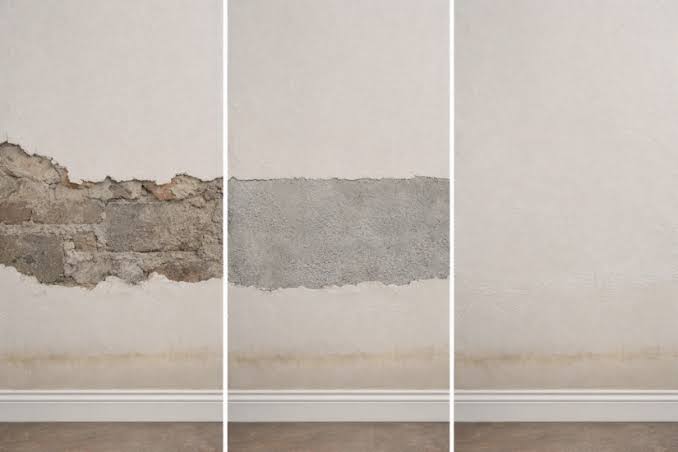
Once the underlying cause has been addressed, the damaged plaster is carefully removed. The surface is then prepared properly before fresh plaster is applied to create a smooth, durable finish.
The section can be painted, sanded or embellished like the rest of the room once the plaster has fully dried. When done properly, the repaired area fits in seamlessly with the surrounding ceiling or wall.
Can You Prevent Blown Plaster?
While ageing can’t be avoided, many common causes of blown plaster can. A few simple habits can make a big difference:
- Repair leaks as soon as they’re discovered.
- Improve ventilation in bathrooms and kitchens.
- Keep gutters and roofing in good condition.
- Check walls regularly for new cracks or damp patches.
- Deal with small problems before they spread.
- Routine maintenance often prevents larger repair bills later.
Final Thoughts
Walls and ceilings are significantly more than just decorative elements. They enhance the building’s overall condition, protect your property and offer a cozy living space. Usually, blown plaster is a sign of an underlying issue.
Instead of waiting for the damage to worsen over time, blown plaster can be fixed more quickly, simply, and economically.
Whether you’re planning maintenance, upgrading a property or looking for qualified people to do plastering work, Tradefox links homeowners with respectable tradespeople who can deliver consistent, excellent results.