

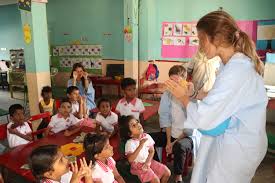
When considering a gap year volunteer program, many students focus on the experience itself, but the role of local assistance is often underestimated. Strong local partnerships ensure that volunteers’ efforts are aligned with real community needs. Gap Year Volunteer Programs that rely on local guidance avoid inefficiencies and unintended harm by tapping into the expertise and knowledge of those who understand their community best. Research indicates that projects co-designed with local stakeholders are far more sustainable, often yielding measurable outcomes in education, healthcare, and environmental initiatives.
How Do Local Communities Benefit From Structured Volunteer Support?
Communities receiving volunteer support experience a range of benefits, particularly when programs emphasize collaboration over charity. Structured assistance can enhance local services, provide new skills, and supplement ongoing community projects. Statistics from social development reports suggest that programs with strong local input improve project completion rates by over 40% compared to initiatives lacking community engagement. This structured support also encourages cultural exchange, allowing volunteers to gain meaningful insight into local lifestyles while contributing to long-term development objectives.
What Role Do Local Mentors Play in Volunteer Programs?
Local mentors are critical to the success of gap year programs. They guide volunteers through culturally appropriate practices, practical challenges, and community expectations. According to case studies in international development programs, volunteer retention and satisfaction increase when participants receive mentorship from local leaders. Mentors also help translate volunteer efforts into measurable outcomes, such as educational attainment or health improvements, ensuring that contributions are both impactful and sustainable.
How Can Volunteers Maximize Their Contribution With Local Guidance?
Volunteers maximize impact by actively listening and collaborating with local partners. This includes understanding community priorities, adhering to ethical guidelines, and participating in capacity-building activities. Studies show that volunteers who follow locally advised strategies contribute to projects that remain functional and effective long after their departure. Additionally, volunteers gain soft skills like cross-cultural communication, adaptability, and leadership, which are increasingly valued in academic and professional settings.
What Skills and Experiences Do Volunteers Gain From Programs With Local Assistance?
Programs with strong local support provide volunteers with both tangible and intangible benefits. Tangibly, volunteers may learn practical skills in teaching, healthcare, environmental management, or community organizing. Intangibly, participants develop cultural sensitivity, problem-solving abilities, and empathy. Surveys of gap year alumni reveal that volunteers in locally supported programs report higher satisfaction and a clearer understanding of global issues compared to those in less structured initiatives.
How Is Impact Measured in Programs With Local Collaboration?
Ethical measurement of volunteer impact involves continuous assessment, feedback loops, and transparency. Programs with local collaboration often track outcomes through community surveys, mentorship evaluations, and project performance indicators. Data shows that such programs achieve higher rates of skill transfer and sustainable change. This approach ensures that volunteers’ contributions are meaningful and aligned with both their personal growth goals and the community’s long-term needs.
Are Gap Year Volunteer Programs With Strong Local Assistance Worth Considering?
For students seeking a purposeful and enriching gap year, programs with robust local assistance offer a practical and ethical path. These programs combine hands-on experience with community guidance, ensuring volunteers contribute effectively while gaining invaluable insights. By prioritizing collaboration, cultural understanding, and evidence-based practices, participants not only enhance the lives of the communities they serve but also develop a global perspective, practical skills, and personal growth that extend well beyond their gap year.






Leave a Reply